Strasbourg: A City of Two Cultures
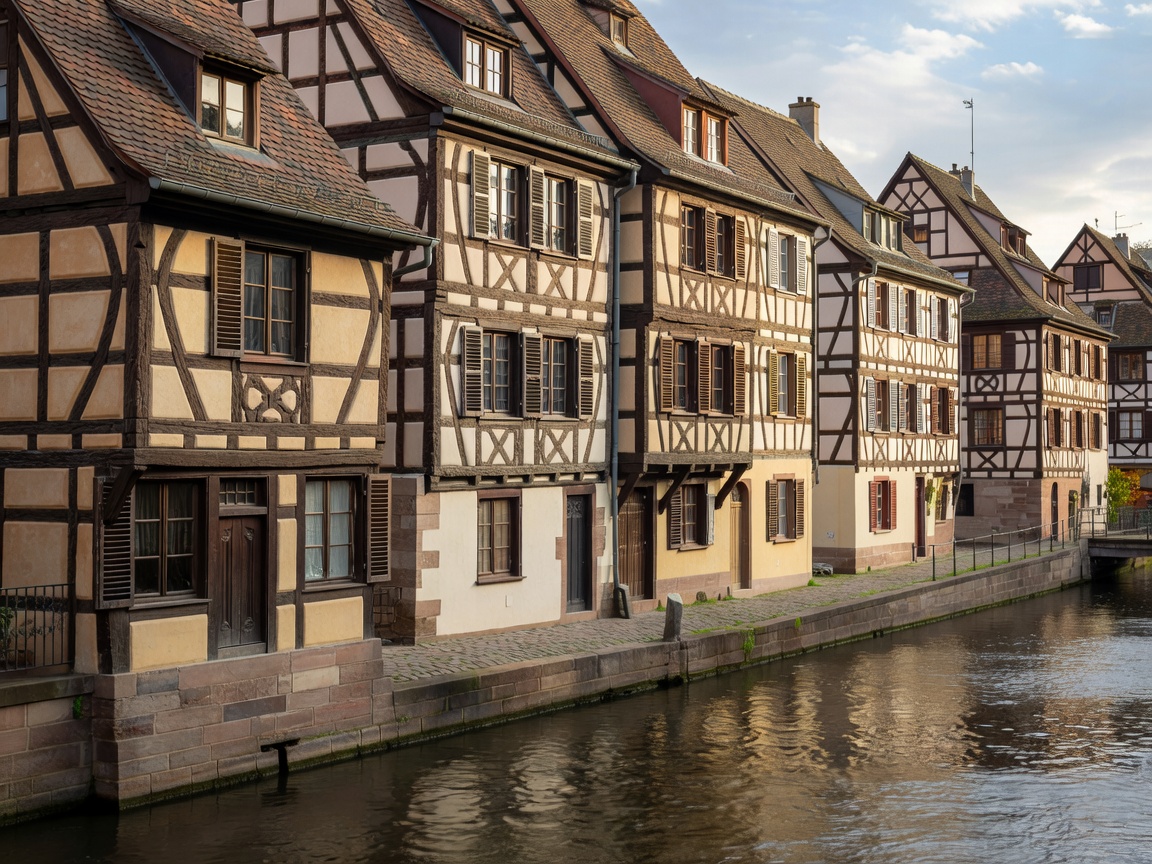
Strasbourg's historic centre, the Grande Île, is entirely encircled by the Ill river and recognised as a UNESCO World Heritage site, largely for the density and preservation of its medieval and Renaissance architecture. The Petite France quarter, once home to tanners, millers and fishermen, is now the most photographed part of the city — a network of canals, half-timbered houses and small locks that once regulated water levels for the trade guilds who worked there.
Strasbourg is also the seat of the European Parliament, a role that gives the city an international administrative character alongside its historic core — an unusual combination for a city of its size. Strasbourg Cathedral, with its single, asymmetrical spire, dominates the skyline and was, for a period in the 19th century, among the tallest structures in the world.
Colmar: A Smaller, Slower Alternative
Colmar sits roughly an hour south of Strasbourg by regional train and offers a more concentrated version of the same half-timbered architecture, without the scale of a capital city around it. Its old town is compact enough to explore on foot in a single day, and the Petite Venise district — a small canal quarter reminiscent of Strasbourg's Petite France — is a particular draw. Colmar's relatively small size means it can feel crowded during peak season and around its well-known Christmas markets, so visiting outside those periods, or arriving early in the day, gives a noticeably quieter experience.
Strasbourg vs Colmar
Strasbourg
A full city with museums, a university, and direct high-speed rail links to Paris and across the border into Germany. Better suited as a multi-day base.
Colmar
Smaller and more concentrated, easily covered in a day trip from Strasbourg, but limited in evening options once the main sights close.
Best For a Short Trip
Base in Strasbourg and take Colmar as a half- or full-day trip by train — this avoids the need to change accommodation for a short visit to the wine road.
Best For a Longer Trip
Split nights between both, using Colmar as a base for exploring the string of wine villages along the Route des Vins d'Alsace to its south.
The Alsace Wine Road
The Route des Vins d'Alsace runs roughly the length of the region, linking a series of villages known for half-timbered architecture and terraced vineyards climbing the foothills of the Vosges mountains. Travelling the full route requires a car or organised tour, since public transport between the smaller villages is limited; travellers without a vehicle typically base themselves in Colmar and take a guided day trip or rent a car for a single day.
When to Go
Late spring through early autumn is the most reliable window for visiting the vineyard villages, when the terraced hillsides are green and most tasting rooms keep regular hours. Alsace's Christmas markets, running through the final weeks of the year, are a major draw in their own right but bring significantly larger crowds to both Strasbourg and Colmar, along with a corresponding rise in accommodation demand.