Right Bank or Left Bank?
Paris is split by the Seine into a Right Bank (north) traditionally associated with commerce, government and grand boulevards, and a Left Bank (south) known for universities, publishing houses and a more bohemian reputation. That distinction has softened over the past century — both banks now mix residential streets, galleries and independent shops — but it still shapes the character of a visit. First-time visitors often base themselves near the Right Bank's Marais or Louvre area for proximity to major sights; those prioritising a quieter, more residential feel sometimes prefer the Left Bank's Saint-Germain-des-Prés or the Latin Quarter.
Neighbourhoods Worth the Detour
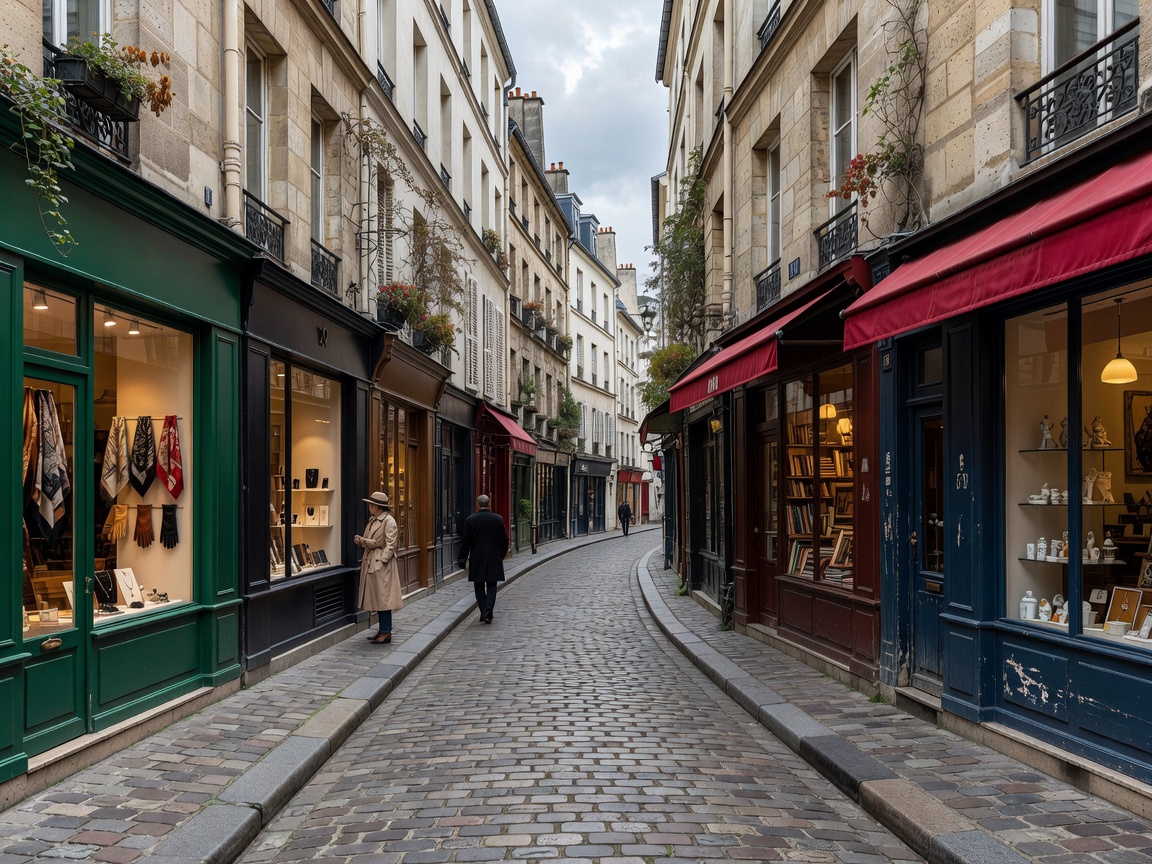
Le Marais (3rd and 4th arrondissements) survived Haussmann's 19th-century redesign of Paris largely intact, which is why its streets are narrower and its buildings older than much of the rest of central Paris. Expect independent galleries, a historic Jewish quarter around Rue des Rosiers, and some of the city's best-preserved private mansions, several of which now function as museums.
Belleville and Ménilmontant (11th, 19th and 20th arrondissements) sit on Paris's eastern hills and have long been home to waves of immigration, which shows in the food, the street art and the multilingual signage. It's a working neighbourhood rather than a manicured one, and it offers some of the best panoramic views of the city from Parc de Belleville, without the crowds of Montmartre.
Canal Saint-Martin (10th arrondissement) is a slower, waterside stretch with iron footbridges and lock gates, popular with locals for weekend picnics along the quay. It connects north to the Bassin de la Villette, one of the largest artificial lake basins in the city.
Montmartre remains genuinely worth visiting despite its popularity — the hill's steep staircases and the basilica of Sacré-Cœur give it a village-like layout distinct from the rest of the city — but going early morning or in the evening avoids the midday crowds around Place du Tertre.
Getting Around
The Paris Métro is dense and fast, with stations rarely more than a few hundred metres apart in the central arrondissements, which makes walking between nearby stops often quicker than waiting for a train. The RER regional rail network extends further out, useful for reaching Versailles or Charles de Gaulle airport. A citywide bike-share scheme operates docking stations across the city and is a practical way to cover the flatter northern and eastern districts, though the hills of Montmartre and Belleville are more comfortable on foot.
Visiting in Spring or Autumn
Mild temperatures, shorter queues than summer, and gardens like the Jardin du Luxembourg at their best. The trade-off is less predictable weather and shorter daylight hours in autumn.
Visiting in Summer
Long daylight hours and a full calendar of outdoor events, but also the busiest crowds at major sights and some independent businesses closing for August holidays.
Day Trips From Paris
The Château de Versailles is reachable by RER in under an hour and remains the most-visited day trip from the city, best approached with a plan for which sections of the gardens and palace you actually want to see, since covering all of it in a single day is unrealistic. Giverny, the village where Claude Monet lived and gardened for over four decades, is a quieter option to the west, reachable by regional train with a short onward bus or taxi connection, and rewards visitors with a genuine sense of the light and colour that shaped his late work.
Practical Notes
Many national museums offer free or reduced entry on certain days for younger visitors and EU residents, and multi-museum passes can be worthwhile for travellers planning to visit several major collections in a short period — the value depends entirely on how many sites you'll realistically fit in, so it's worth mapping an itinerary before buying one. Restaurants in tourist-heavy areas near major monuments are generally a less reliable indicator of quality than those a few streets further into a residential neighbourhood.